Priority Infrastructure Plan: Smart Strategy for Stronger Cities
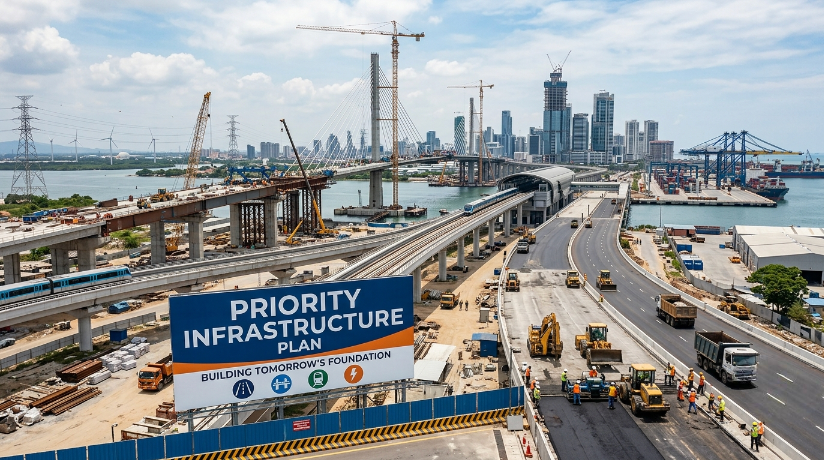
A priority infrastructure plan isn’t just a bureaucratic document sitting on a shelf somewhere. It’s the roadmap that decides whether your morning commute gets shorter, whether your water stays clean, and whether your kid’s school has reliable internet. Think of it like a household budget, but instead of deciding between a new couch or a vacation, city planners are weighing bridges against broadband, and sewers against schools. Every dollar counts, and every decision ripples outward for decades.
Communities that get this right tend to thrive. Those that don’t often find themselves patching potholes while ignoring crumbling water mains underneath. That’s why understanding what goes into a solid priority infrastructure plan matters, whether you’re a city official, a business owner, or just a resident who wants their tax dollars spent wisely.
What Exactly Is a Priority Infrastructure Plan?
At its core, a priority infrastructure plan is a structured approach to deciding which public works projects get funded first. It’s not random. Planners look at population growth, safety risks, economic impact, and long-term maintenance costs before ranking projects. The goal is simple: spend limited money where it does the most good, soonest.
Imagine a small town with three urgent needs—a collapsing bridge, an outdated water treatment plant, and a request for new bike lanes. Without a clear plan, decisions might come down to whoever shouts loudest at a town hall meeting. With a priority infrastructure plan, decisions are based on data, risk assessment, and community input instead. That shift alone can save millions in emergency repairs down the road.
Why “Priority” Matters More Than “Plan”
Plenty of cities have infrastructure plans. Fewer have ones that actually prioritize effectively. The word “priority” is doing a lot of heavy lifting here, because it forces hard choices. You can’t fix everything at once, so leaders must decide what truly can’t wait.
This is where many municipalities stumble. They create wish lists instead of action plans. A genuine priority infrastructure plan ranks projects using clear criteria—safety first, then economic return, then long-term sustainability. Without that ranking system, money tends to flow toward whatever’s politically convenient rather than what’s actually most urgent.
The Core Components of a Strong Infrastructure Plan
Building a solid plan isn’t guesswork. Most successful programs share a handful of common ingredients that hold everything together. Skip one of these, and the whole structure starts to wobble.
Risk Assessment and Asset Inventory
Before anyone can prioritize anything, they need to know what they’re working with. This means cataloging every road, pipe, bridge, and power line a community owns, along with its current condition. It sounds tedious, and honestly, it is. But skipping this step is like trying to renovate a house without checking the foundation first.
Cities that invest in thorough asset inventories often discover surprises—sometimes good, sometimes alarming. A water main thought to be in decent shape might actually be one freeze away from bursting. That kind of insight changes everything about how a priority infrastructure plan gets shaped, because it shifts attention toward hidden risks instead of just visible wear and tear.
Community Input and Public Engagement
Numbers and data matter, sure, but so does listening to actual people. Residents often know things engineers miss, like which intersection floods every spring or which sidewalk hasn’t been safe for wheelchairs in years. A priority infrastructure plan that ignores this local knowledge risks missing the mark entirely.
Public meetings, online surveys, and town halls aren’t just feel-good exercises. They build trust, and trust matters when you’re asking taxpayers to fund a multi-year project. People are far more likely to support a plan when they feel heard, even if their specific request doesn’t make the final cut.
Funding Strategy and Budget Alignment
Here’s where dreams meet reality. A plan can be brilliant on paper, but without a realistic funding strategy, it’s just fiction. Smart planners map out funding sources early—federal grants, state allocations, bonds, public-private partnerships—and match them to project timelines.
This step also involves sequencing. Some projects qualify for specific grant cycles, so timing isn’t always about urgency alone. A well-built priority infrastructure plan accounts for these funding quirks, weaving them into the overall schedule rather than treating money as an afterthought.
How Priority Infrastructure Plans Get Built
Creating one of these plans takes time, usually a year or more for larger municipalities. It’s not something thrown together over a weekend retreat. Let’s walk through how the process typically unfolds.
Step One: Data Collection and Baseline Analysis
Everything starts with data. Engineers inspect physical assets, demographers study population trends, and economists forecast growth patterns. This baseline becomes the foundation for every decision that follows. Without accurate data, even the best intentions lead to poor outcomes.
Some cities use sensor technology now, embedding monitors in bridges and pipes to catch problems before they become emergencies. It’s a bit like wearable fitness trackers, except instead of counting your steps, these sensors are tracking stress fractures in concrete. The technology has come a long way, and it’s making proactive maintenance far more achievable than it used to be.
Step Two: Scoring and Ranking Projects
Once data is gathered, projects get scored against weighted criteria. Safety usually carries the most weight, followed by economic impact, environmental factors, and community benefit. This scoring system removes much of the politics from decision-making, at least in theory.
For example, a bridge with structural cracks and high daily traffic would score far higher than a park renovation, even if residents are more vocal about wanting the park. That’s the tension built into every priority infrastructure plan—balancing what’s loudest with what’s most urgent.
Step Three: Drafting the Implementation Timeline
After ranking, planners build a timeline that spans multiple years, sometimes a decade or more. This isn’t just a list of dates; it’s a sequence that accounts for funding availability, construction seasons, and dependencies between projects. You can’t repave a road before fixing the water main underneath it, after all.
A realistic timeline also builds in flexibility. Things change—budgets shrink, emergencies pop up, weather causes delays. The best plans treat the timeline as a living document rather than a fixed contract, adjusting as new information comes in.
Real-World Examples Worth Studying
Theory only goes so far. Looking at actual cities helps illustrate how priority infrastructure planning plays out in practice, with both wins and lessons learned along the way.
A Mid-Size City’s Water System Overhaul
Consider a city of around 150,000 residents that discovered nearly 30% of its water pipes were over 80 years old. Rather than panic-fix individual leaks as they popped up, officials built a phased replacement plan spanning twelve years. They prioritized neighborhoods with the oldest infrastructure and highest break frequency first.
The result? Emergency repair costs dropped by nearly 40% within five years, because preventative replacement is almost always cheaper than emergency fixes. Residents in priority zones saw fewer disruptions too, since planned construction beats unexpected flooding any day. This case shows exactly why a thoughtful priority infrastructure plan pays for itself over time.
A Coastal Town’s Climate Resilience Push
Coastal communities face a different kind of urgency. One small town began incorporating sea-level rise projections directly into its infrastructure rankings, something that wasn’t standard practice a decade ago. Roads prone to flooding got elevated in priority, even when their physical condition wasn’t the worst on paper.
This forward-thinking approach meant some structurally sound roads got upgraded sooner than expected, purely because future risk outweighed current condition. It’s a good reminder that priority infrastructure plans shouldn’t just look backward at wear and tear—they need to anticipate what’s coming, too.
Common Mistakes Communities Make
Even well-intentioned plans go sideways sometimes. Recognizing common pitfalls can help communities avoid repeating the same errors that have tripped up others before them.
Treating the Plan as a One-Time Event
Some cities create a beautiful plan, celebrate its approval, then let it gather dust. Infrastructure needs shift constantly—population grows, technology changes, climate patterns evolve. A plan that isn’t revisited every few years quickly becomes outdated and irrelevant.
The fix is straightforward, even if it requires discipline: build review checkpoints into the plan itself. Many successful municipalities revisit their priority infrastructure plan every two to three years, adjusting rankings as new data comes in. Treating it like a living strategy, not a finished product, keeps it useful.
Ignoring Maintenance in Favor of New Projects
Ribbon-cutting ceremonies for shiny new projects are exciting. Routine maintenance? Not so much. But neglecting upkeep on existing infrastructure to fund flashy new builds is a classic mistake that compounds over time.
A road that gets resurfaced on schedule costs a fraction of one that’s left to deteriorate into total reconstruction. Smart planners build maintenance budgets directly into their priority infrastructure plan, rather than treating maintenance as an afterthought competing for leftover scraps.
The Economic Ripple Effects of Smart Planning
Good infrastructure planning doesn’t just fix roads and pipes; it shapes entire local economies. Businesses consider infrastructure quality when deciding where to relocate or expand. Reliable power, fast internet, and smooth transportation networks are practically table stakes now.
Studies have consistently shown that every dollar invested in infrastructure generates a multiplier effect in local economic activity, often returning two to three dollars in broader economic benefit. Jobs get created during construction, sure, but the long-term gains come from businesses thriving on dependable systems. A thoughtful priority infrastructure plan essentially functions as an economic development strategy disguised as a public works document.
Attracting Investment Through Reliability
Investors and developers pay close attention to infrastructure reliability before committing capital. Nobody wants to build a factory in a town where the power grid fails every storm season. Predictability matters enormously in these decisions.
When a community demonstrates a clear, well-funded priority infrastructure plan, it signals stability to outside investors. That signal alone can tip the scales in competitive site-selection processes, bringing jobs and tax revenue that wouldn’t have arrived otherwise.
Technology’s Growing Role in Infrastructure Planning
Gone are the days when infrastructure planning meant paper maps and gut instinct. Modern tools have transformed how communities approach this work, making plans more precise and adaptable than ever before.
Geographic Information Systems and Predictive Modeling
GIS mapping lets planners visualize infrastructure conditions layered against demographic and environmental data. Suddenly, patterns that were invisible before jump right out—clusters of aging pipes near growing neighborhoods, for instance. This visual clarity makes prioritization decisions far more defensible and transparent.
Predictive modeling takes things further, using historical failure data to forecast which assets are likely to fail next. It’s not perfect, nothing ever is, but it shifts planning from reactive guesswork toward proactive strategy. These tools have become nearly essential for any serious priority infrastructure plan today.
Conclusion: Building Tomorrow Starts With Today’s Decisions
A priority infrastructure plan might not sound exciting on the surface, but it’s quietly one of the most consequential things a community can create. It determines whether bridges hold, whether water stays clean, and whether local economies have room to grow. Skipping this kind of careful planning almost always costs more in the long run, both financially and in quality of life.
The communities that thrive tend to be the ones that treat infrastructure planning as an ongoing conversation rather than a box to check. They gather real data, listen to residents, and revisit their priorities as conditions change. They balance flashy new projects against unglamorous maintenance, because both matter equally.
If there’s one takeaway here, it’s this: infrastructure decisions made today will define daily life for decades. Whether you’re a local official or simply an engaged resident, pushing for transparent, data-driven, regularly updated planning is one of the most impactful things you can do for your community’s future.
Frequently Asked Questions
1. What is the main purpose of a priority infrastructure plan?
Its main purpose is to help communities decide which infrastructure projects deserve funding first, based on safety, urgency, and long-term value rather than politics or guesswork.
2. How often should a priority infrastructure plan be updated?
Most experts recommend reviewing and updating the plan every two to three years, since population growth, climate factors, and asset conditions change continuously.
3. Who is typically involved in creating these plans?
City engineers, urban planners, finance officials, and residents all play a role. Public engagement sessions ensure community needs are reflected alongside technical data.
4. Why do some infrastructure projects get delayed even when they’re high priority?
Funding timing is often the culprit. Grants and bonds have specific cycles, so even urgent projects sometimes wait for the right financial window to open up.
5. Can small towns benefit from a priority infrastructure plan, or is it just for big cities?
Small towns benefit just as much, if not more, since limited budgets make smart prioritization even more critical for avoiding costly emergency repairs later.




Post Comment