Best Ensalada de Arvejas y Jamon Near Me: Your Complete Guide to Finding This Classic Dish
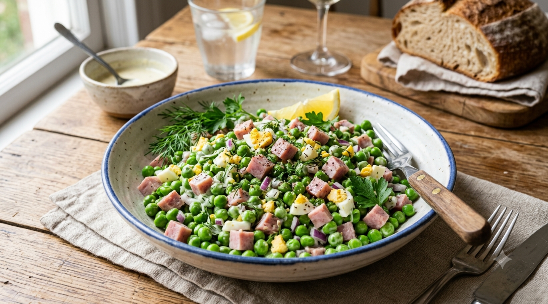
If you’ve ever typed “best ensalada de arvejas y jamon near me” into your phone at 1 p.m. on a hungry Tuesday, you’re not alone. This humble pea and ham salad has quietly become one of the most searched-for comfort dishes across Latin American and Spanish-influenced communities, and for good reason. It’s creamy, it’s nostalgic, and it somehow tastes better than the sum of its simple parts. Whether you grew up eating it at your grandmother’s table or just discovered it at a local panaderia, finding the best ensalada de arvejas y jamon near me can feel like a small treasure hunt. This guide walks you through exactly how to find it, what makes a version truly great, and how to recreate it yourself if your search comes up short.
What Exactly Is Ensalada de Arvejas y Jamon?
At its core, this dish is a chilled salad built around three main characters: sweet green peas, diced ham, and a creamy dressing that usually involves mayonnaise. Some cooks add boiled potatoes or carrots to bulk it up, while others keep it lean and simple. The magic happens when the salty ham meets the slightly sweet peas, creating a flavor contrast that’s oddly addictive. It’s the kind of dish that shows up at birthday parties, potlucks, and Sunday lunches without anyone questioning why—it just belongs there.
Different regions put their own spin on it, too. In some Colombian and Venezuelan households, the salad leans heavier on potatoes and hard-boiled eggs. In other versions popular in Peru or among Spanish immigrant communities, the focus stays tightly on peas, ham, and a touch of pickle relish for brightness. None of these variations is “wrong”; they’re just reflections of family history and regional taste. That’s actually part of why searching for the best ensalada de arvejas y jamon near me can turn up such wildly different results depending on where you live.
Why It’s More Than Just a Side Dish
People often assume this salad is filler, something to round out a plate next to roasted chicken or grilled meat. But ask anyone who’s grown up with it, and they’ll tell you it often steals the show. There’s a reason abuelas guard their recipes like state secrets—this dish carries memory in every bite. A spoonful can instantly transport someone back to a childhood kitchen, which is exactly why so many people go looking for an authentic version rather than settling for a bland supermarket substitute.
Think of it like the potato salad of Latin cuisine, except with a more delicate, slightly sweet profile thanks to the peas. Just as no two American potato salads taste identical, no two ensaladas de arvejas y jamon taste the same either. That’s part of the charm, and also part of the challenge when you’re trying to locate the best ensalada de arvejas y jamon near me without knowing exactly what “best” means to you yet.
How to Actually Find the Best Ensalada de Arvejas y Jamon Near Me
Searching online is the obvious first step, but it’s not always the most effective one. Generic searches often surface chain restaurants or generic delis that barely resemble what you’re craving. Instead, try narrowing your search terms to include specific neighborhoods, cultural markets, or even the words “casera” or “homemade,” which tend to filter out mass-produced versions. Google Maps reviews are surprisingly useful here, since people who love this dish tend to write passionate, detailed comments about texture and seasoning.
Another underrated strategy involves searching social media rather than search engines. Local Facebook groups, especially community pages built around Latin American expats or specific cities, often have threads where people swap recommendations. Someone asking “does anyone know where I can get good ensalada de arvejas y jamon near me” usually gets five enthusiastic replies within an hour, complete with photos and personal anecdotes. These crowd-sourced tips frequently beat algorithm-driven search results by a mile.
Checking Local Latin Markets and Delis
Latin grocery stores and delis are goldmines for this dish, even though they rarely advertise it on big signage out front. Many of these spots prepare small batches fresh each morning and sell it by the pound from a deli case. If you walk in and see a tray of pale green salad sitting next to potato salad and coleslaw, you’ve probably found your spot. Don’t be shy about asking the staff directly; they usually know exactly which days the salad gets restocked and which version sells out fastest.
It’s worth mentioning that smaller, family-run markets often make a more traditional version than larger grocery chains. A larger store might cut corners with frozen peas that taste mushy, while a smaller shop is more likely to use fresher ingredients and a recipe passed down through generations. If you’re serious about finding the best ensalada de arvejas y jamon near me, prioritize these smaller establishments even if they’re slightly less convenient to reach.
Using Delivery Apps Strategically
Delivery apps like Uber Eats, DoorDash, or regional alternatives can also help, though you’ll need to search smartly. Instead of typing the dish name directly into the app’s main search bar, try searching for “Latin deli” or “comida casera” and then scanning menus for the salad specifically. Many small restaurants don’t optimize their app listings well, so the dish might be buried under a generic “salads” category rather than featured prominently.
Filtering by highest-rated restaurants in your area before scanning menus saves a lot of time too. A four-and-a-half-star bakery that happens to sell this salad on weekends is usually a safer bet than a random three-star restaurant claiming to specialize in it. Reading recent reviews, particularly ones mentioning “fresh” or “just like my mom makes,” gives you a much clearer signal than star ratings alone ever could.
What Separates a Great Version From a Mediocre One
Texture is everything with this dish. The peas should have a slight bite to them, not be mushy or overcooked into baby food territory. If a version tastes gritty or the peas have completely lost their shape, that’s usually a sign of low-quality canned peas instead of fresh or properly blanched frozen ones. Great cooks understand this distinction instinctively, even if they can’t always explain the science behind it.
The ham matters just as much, maybe even more. Diced ham should be tender, slightly salty, and cut into small enough pieces that you get a bit of it in nearly every bite. Some lower-quality versions use cheap deli ham that turns rubbery once chilled, which ruins the whole experience. When you’re evaluating whether you’ve found the best ensalada de arvejas y jamon near me, pay close attention to whether the ham feels like an afterthought or an actual co-star of the dish.
The Dressing Ratio Problem
Too much mayonnaise drowns the other ingredients and turns the salad into a heavy, one-note blob. Too little, and everything falls apart into a dry, sad pile. The best versions strike a balance where the dressing coats everything lightly without pooling at the bottom of the container. Some cooks mix in a touch of mustard or lime juice to cut through the richness, which adds complexity without overwhelming the original flavor profile.
This is honestly where home cooks often outperform restaurants. Restaurants making large batches sometimes over-dress the salad to make it look more appealing in a display case, sacrificing balance for visual appeal. A home cook making a small batch for family has no such incentive, which is part of why grandma’s version usually wins blind taste tests every single time.
Freshness Signals You Shouldn’t Ignore
Color tells you a lot before you even take a bite. Vibrant green peas suggest the salad was made recently, while dull, grayish peas often mean it’s been sitting in a fridge case for days. Similarly, watery liquid pooling at the bottom of a container is a red flag, indicating the dressing has started separating from age or improper storage. These small details separate forgettable versions from ones worth driving across town for.
Smell matters too, though it’s harder to evaluate before purchase. If you can ask for a sample, a fresh version should smell clean and slightly sweet from the peas, with no sour or overly tangy notes. Trust your instincts here; if something smells off, it probably is, regardless of how good the online reviews sounded.
Regional Variations Worth Knowing About
Colombian-style versions often lean heavily into potatoes, sometimes making the dish closer to a potato salad with peas mixed in rather than the other way around. Carrots frequently make an appearance too, diced small and blanched just enough to soften without losing their color. This version tends to be heartier and more filling, often served as a substantial side at large family gatherings.
Venezuelan kitchens sometimes add apple for a subtle sweetness, which sounds unusual until you actually try it. The apple’s crispness contrasts beautifully with the soft peas and tender ham, creating yet another texture layer that keeps things interesting. If you stumble across a version with diced apple while searching for the best ensalada de arvejas y jamon near me, don’t dismiss it as inauthentic; it’s simply a regional twist with its own loyal fanbase.
Spanish-Influenced Takes
In some Spanish culinary traditions, this salad shows up as part of a larger ensaladilla rusa family, often including tuna or olives alongside the peas and ham. These versions tend to be richer and more complex, layering multiple proteins rather than keeping things simple. It’s a completely different eating experience, closer to a composed salad than a quick side dish.
If your local search turns up a deli advertising “ensaladilla” rather than the exact phrase you searched for, it’s worth investigating anyway. Many Spanish-style delis use slightly different naming conventions even though the dish shares clear DNA with what you’re craving. Expanding your search terms occasionally uncovers hidden gems that a literal search would have missed entirely.
A Quick Story About One Particularly Stubborn Search
A friend of mine spent nearly two months trying to track down a version that matched what she remembered from childhood visits to her tía’s house in Queens. She tried five different delis, two restaurants, and even a few grocery store deli counters, all without success. Each version was close but missing something, whether it was the ham being too fatty or the peas tasting like they came straight from a dusty can.
Eventually, she found a tiny, unmarked stall inside a Latin market that only sold the salad on Fridays and Saturdays. The owner, an older woman who’d been making the same recipe for over thirty years, used fresh peas blanched that same morning and ham diced by hand rather than pre-cut from a bag. That experience taught her something valuable: sometimes the best version isn’t the one with the flashiest online presence, but the one tucked away where only locals know to look. It’s a good reminder that persistence pays off when you’re determined to find the best ensalada de arvejas y jamon near me.
Making It Yourself When Local Options Fall Short
Sometimes the search comes up empty, and that’s perfectly okay because this dish is genuinely easy to make at home. Start with frozen peas rather than canned, since frozen ones retain their color and texture far better after blanching. A quick two-minute boil followed by an ice bath keeps them bright green and slightly firm, exactly the texture you’re aiming for.
Choose a good-quality ham steak rather than thin deli slices, then dice it into small, even cubes. This gives you more control over texture than pre-sliced ham, which often turns mushy once mixed with mayonnaise. Combine the peas and ham with mayonnaise, a small splash of lime juice, salt, and pepper, then let it chill in the fridge for at least an hour before serving. That resting period allows the flavors to meld together properly, which makes a noticeable difference in the final taste.
Customizing Your Homemade Version
Once you’ve nailed the basic formula, feel free to experiment the way generations of home cooks have done before you. Diced red onion adds a nice sharp bite, while a handful of chopped cilantro brings freshness that cuts through the richness of the mayonnaise. Some people swear by adding a tiny bit of sugar to enhance the natural sweetness of the peas, though this remains a divisive choice even within families.
Don’t be afraid to adjust ratios based on personal preference either. If you love ham, increase the ratio until it feels right to you rather than rigidly following someone else’s recipe. Cooking, especially with dishes this personal, should always bend toward what makes you happy rather than strict adherence to tradition for tradition’s sake.
Why This Search Term Keeps Trending
Food nostalgia drives an enormous amount of online search behavior, and this dish sits right in the sweet spot of comfort and specificity. People aren’t just hungry; they’re hunting for a very particular memory, which makes generic search results feel deeply unsatisfying. That emotional weight explains why so many people keep refining their search rather than settling for the first result that pops up.
There’s also a practical angle here. As Latin American communities continue growing and spreading across new cities and suburbs, demand for authentic regional dishes increases right alongside them. Restaurants and delis are slowly catching on, adding traditional items to their menus specifically because customers keep asking. In a way, every person searching for the best ensalada de arvejas y jamon near me is quietly shaping which businesses decide to start offering it.
Conclusion: Trust Your Taste Buds and Keep Exploring
Finding the best ensalada de arvejas y jamon near me isn’t always a quick, one-search process, but that’s part of what makes the eventual discovery so satisfying. Whether you end up at a beloved family-run deli, a hidden stall inside a bustling market, or your own kitchen counter, the goal stays the same: tender peas, flavorful ham, and a dressing that ties everything together without overpowering it. Pay attention to texture, color, and freshness signals, and don’t underestimate the power of asking locals directly instead of relying solely on apps and algorithms.
If your search comes up short, remember that making it yourself is genuinely within reach, even for beginner cooks. With fresh peas, good ham, and a little patience for chilling time, you can build a version that rivals anything you’d find in a store. And honestly, once you’ve made it at home a few times, you might just become the person other people turn to when they’re searching for the best ensalada de arvejas y jamon near me in your own neighborhood.
Frequently Asked Questions
1. What does ensalada de arvejas y jamon taste like?
It’s creamy and slightly sweet from the peas, balanced by salty diced ham and a light mayonnaise dressing. The overall flavor is mild and comforting rather than bold or spicy.
2. Can I make this salad ahead of time for a party?
Yes, and it actually improves after sitting in the fridge for a few hours. Just store it in an airtight container and give it a quick stir before serving.
3. Is this dish similar to American pea salad?
There are similarities, especially the use of peas and mayonnaise, but the addition of ham gives this version a distinct savory depth that classic American pea salad usually lacks.
4. How long does it stay fresh in the refrigerator?
Properly stored, it typically stays fresh for about three to four days. Watch for watery separation or a sour smell as signs it’s time to toss it.
5. What’s the best way to search for an authentic version locally?
Try searching local Latin markets, asking in community social media groups, and reading detailed restaurant reviews rather than relying only on star ratings.

Post Comment