Denika Kisty: The Former Javelin Star Who Became Jason Williams’s Wife

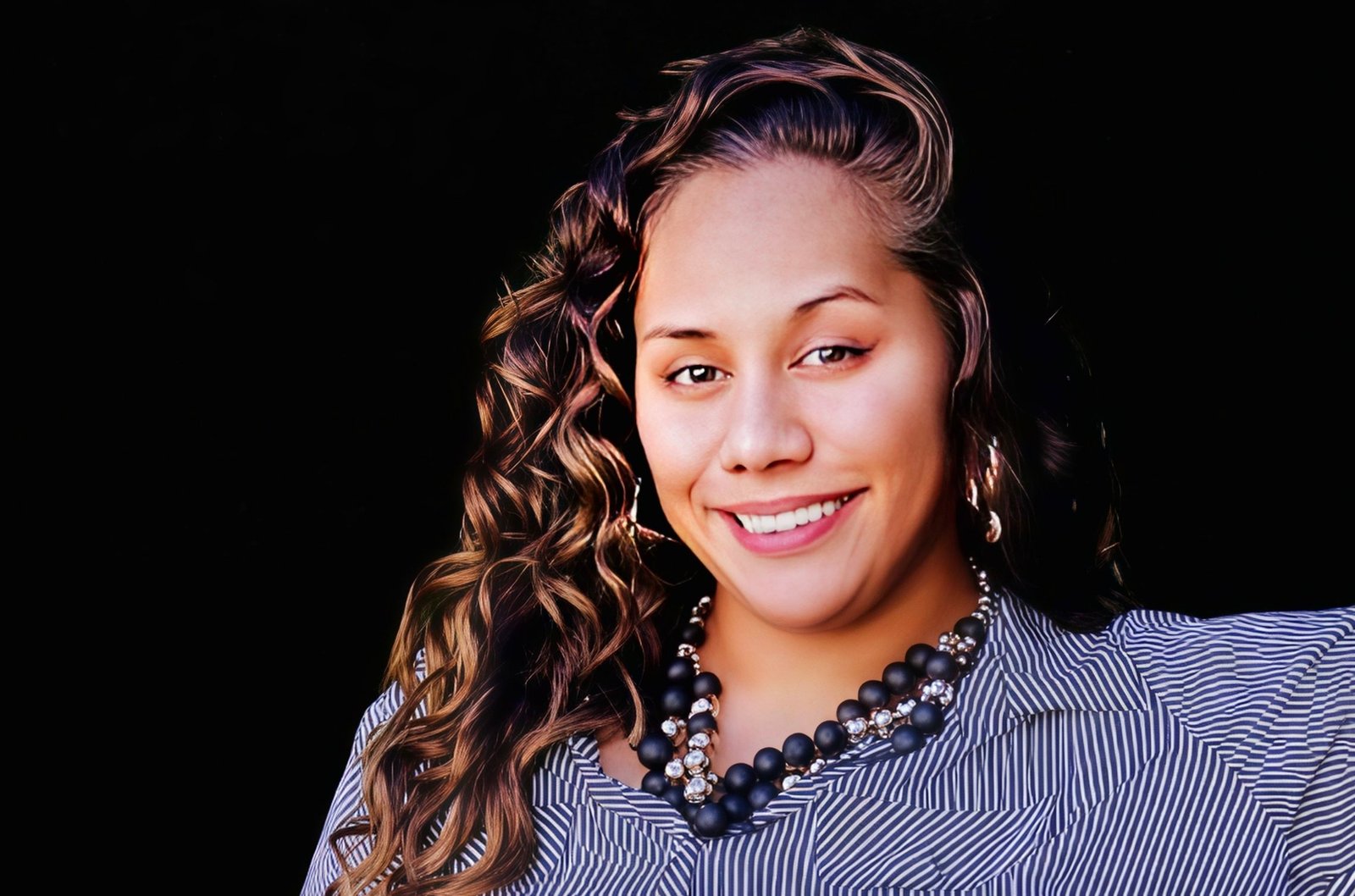
Most people stumble onto the name Denika Kisty while searching for something else entirely. They’re reading about Jason Williams, the former NBA point guard nicknamed “White Chocolate,” and her name pops up almost as a footnote. That’s a shame, honestly, because Denika Kisty has a story that stands on its own two feet. Long before she was anyone’s wife, she was throwing a javelin farther than most of her competitors could dream of, training at one of the country’s top athletic programs, and quietly building a reputation as a serious collegiate athlete. This article pulls together what’s actually known about Denika Kisty, separates it from the noise, and gives her the kind of attention her own achievements deserve.
It’s worth saying upfront: a lot of what circulates online about Denika Kisty is recycled, vague, or inconsistent from one source to the next. Some of it reads like it was written by people who never bothered to check their facts against each other. We’re going to stick to what’s reasonably well-documented — her athletic career, her education, her general background — while being honest about which details are less firmly confirmed.
Quick Facts Table: Who Is Denika Kisty?
| Category | Details |
|---|---|
| Full Name | Denika Kisty |
| Known For | Former collegiate javelin thrower; wife of NBA star Jason Williams |
| Hometown | Brentwood, Pennsylvania |
| Education | University of Florida (Florida Gators track and field) |
| Sport | Track and field — javelin throw |
| Notable Ranking | Reportedly ranked among the top javelin throwers in the U.S. nationally during her college years |
| Spouse | Jason Williams, retired NBA point guard (“White Chocolate”) |
| Marriage | Reportedly married in 2003 |
| Children | Reportedly three children, athletic like their parents |
| Public Life | Largely private; no confirmed social media presence |
A quick note on that table: several details about Denika Kisty’s personal life — her children’s names, her exact birth year, and her current marital status — appear across various unofficial sources but lack strong independent verification. We’ve kept this guide grounded in what’s most consistently and credibly reported.
Early Life: How Denika Kisty Grew Up in Brentwood, Pennsylvania
Denika Kisty’s roots trace back to Brentwood, a small borough just outside Pittsburgh known for tight-knit neighborhoods and a strong sense of community. Growing up there wasn’t glamorous, and it wasn’t supposed to be. It was the kind of town where kids played outside until the streetlights came on and where high school sports actually mattered to the whole community. That environment, by most accounts, shaped a young athlete who valued hard work over flash.
Sports weren’t a side hobby for her family; they were woven into daily life. Her parents reportedly encouraged physical activity and discipline from an early age, and that combination tends to produce a particular kind of athlete — one who shows up early, stays late, and doesn’t need anyone to remind them why they’re working so hard. Denika Kisty seems to fit that mold. She didn’t arrive at elite collegiate athletics by accident; she built toward it one practice at a time.
Like a lot of standout athletes, she didn’t start with the event that eventually made her name. Throwing events such as discus and javelin often get discovered almost sideways — a coach notices a kid’s arm strength during a gym class drill, or someone needs an extra body for a meet and a star gets born by accident. Whatever the exact spark was for Denika Kisty, by the time she reached high school competition, javelin had become her signature event.
High School Years and the Discovery of Javelin
High school track and field is brutal in its own quiet way. There’s no hiding a bad throw in front of a stopwatch and a tape measure; the numbers either back you up or they don’t. Denika Kisty’s high school results reportedly placed her among the better throwers in her region, and that kind of consistent performance is exactly what catches a college recruiter’s eye. Recruiters aren’t looking for one great day. They’re looking for a pattern, and patterns are harder to fake than a single highlight.
Javelin, in particular, rewards technique just as much as raw strength. You can have a powerful arm and still throw poorly if your footwork, release angle, or follow-through is off by even a little. Comparing it to baseball pitching isn’t a bad analogy — a pitcher with a 95 mph fastball who can’t locate it is still going to struggle against good hitters. Denika Kisty’s success suggests she had both the physical tools and the technical patience to refine her form over years of repetition.
By the end of her high school career, she had built enough of a résumé to attract attention from programs well outside Pennsylvania. That’s not a small thing for a track and field athlete. College track programs are competitive about recruiting, and a javelin thrower good enough to be courted by a major Division I program has typically already separated herself from most of her peers.
Denika Kisty’s Athletic Career at the University of Florida
Choosing the University of Florida wasn’t a small decision, and it wasn’t a safe one either. The Florida Gators track and field program is one of the most respected in the country, regularly producing All-Americans and Olympic-caliber athletes. Walking into that environment as a javelin thrower meant Denika Kisty would be training and competing alongside some of the best young athletes in the nation, not just in her home state.
College athletics has a way of separating people who were good in high school from people who can actually compete at a national level. The training intensifies. The competition gets deeper. The margin between a good throw and a great one shrinks dramatically. Reports consistently describe Denika Kisty as having thrived in that environment, eventually reaching national rankings in the javelin during her college years — a genuinely impressive accomplishment given how competitive that event is at the NCAA level.
Think of it like moving from a regional spelling bee to a national one. The words don’t just get longer; the whole pool of competitors gets sharper, and the athletes who keep climbing are the ones who treat every practice like it matters. That seems to be exactly what happened with Denika Kisty during her time as a Gator.
Earning National Recognition in Javelin
National rankings in any NCAA throwing event mean something concrete. They’re not subjective opinions from a coach or a fan; they’re built on measured distances against athletes from every conference in the country. Various sources report that Denika Kisty cracked the top tier of American collegiate javelin throwers, a placement that put her in conversation with some of the most accomplished throwers of her generation.
That kind of ranking typically comes from years of compounding improvement rather than one lucky meet. Javelin technique evolves constantly at the elite level — throwers adjust their approach run, their grip, even their breathing patterns to shave fractions of a second off their timing. Reaching a national ranking suggests Denika Kisty and her coaching staff were making those small adjustments correctly, meet after meet, season after season.
It’s also worth noting how demanding student-athlete life is at that level. Balancing classes, training, travel for competitions, and recovery is genuinely exhausting, and plenty of talented athletes burn out trying to manage it all. The fact that Denika Kisty maintained both her academics and her athletic trajectory throughout college says something about her time management and resilience, even if those details rarely make it into a highlight reel.
Did Denika Kisty Compete Professionally or in the Olympics?
This is one of the more common questions people ask, and the honest answer is: there’s no solid public record confirming a professional or Olympic career after college. Some sources suggest she may have had ambitions in that direction, which wouldn’t be surprising given her collegiate ranking, but ambition and outcome are two different things in elite sports. The javelin is an unforgiving event at the Olympic qualifying level, and plenty of nationally ranked college throwers don’t make that final jump.
What seems far more consistent across available information is that Denika Kisty’s competitive career wound down after her time at Florida, and she shifted her focus elsewhere. That’s an extremely common path for college athletes, even very good ones. Most NCAA athletes, no matter how talented, eventually step away from elite competition and apply the discipline they built toward other parts of life — careers, family, community work.
How Denika Kisty Met Jason Williams
The University of Florida wasn’t just where Denika Kisty built her athletic career; it’s reportedly also where she met her future husband, Jason Williams. Williams was becoming known on campus for his basketball talent well before he became an NBA name, and their paths apparently crossed during a period when both were deeply immersed in collegiate athletics. Two student-athletes navigating similarly demanding schedules tend to understand each other’s world in a way outsiders simply can’t.
There’s something relatable in that dynamic, even for people who’ve never touched elite sports. Anyone who’s dated someone with a grueling, unpredictable schedule — medical residents, touring musicians, military service members — knows how much it helps when your partner already gets why you’re exhausted or distracted or gone every weekend. Two athletes pairing up removes a layer of explanation that a lot of relationships need.
Jason Williams went on to have a colorful NBA career, playing for teams including the Sacramento Kings, Memphis Grizzlies, Miami Heat, and Orlando Magic, and winning an NBA championship with Miami in 2006. Denika Kisty, meanwhile, reportedly continued building her own life path. Various sources report the couple married in 2003, after years of dating that began during their college years together.
Life After the NBA Spotlight
Being married to an NBA player — even a beloved, highlight-reel-famous one like Jason Williams — comes with a strange kind of public exposure that most people never experience. Cameras follow the athlete, reporters ask about the games, and the partner is often expected to simply exist in the background, smiling at the right moments. Denika Kisty has reportedly handled that role by staying almost entirely out of the spotlight, declining interviews and avoiding the kind of public persona that many athletes’ spouses eventually adopt.
That choice is worth pausing on. In an era when nearly everyone with a connection to a celebrity seems to monetize that proximity through social media, staying private is almost its own kind of statement. It suggests someone who values her own life more than public attention, which tracks with someone who spent years grinding through early-morning practices for a sport that rarely gets applause outside of meet day.
According to widely repeated but not independently verified reports, the couple has children together, and Denika has focused much of her post-athletics life on raising them. Family life with a professional athlete brings its own complications — relocations, scheduling chaos, public scrutiny — and managing that while keeping a low profile takes real intentionality.
Why Denika Kisty’s Story Resonates With So Many People
Part of what makes Denika Kisty interesting isn’t fame in the traditional sense; it’s the contrast. She represents a kind of accomplishment that doesn’t always get the credit it deserves — national-caliber collegiate athletics — sitting right next to a much more famous, much more visible career belonging to her husband. That contrast says something about how we measure achievement publicly versus how achievement actually works.
Plenty of people quietly excel at something difficult and then move into a completely different chapter of life without broadcasting it. Think about a former competitive gymnast who becomes a physical therapist, or a former Division I swimmer who ends up running a small business with zero mention of their athletic past on their website. Denika Kisty fits that same pattern. Her javelin career isn’t the headline most search engines attach to her name, but it’s arguably the more concrete, measurable accomplishment of the two roles she’s known for.
There’s also a broader lesson buried in her story about how privacy and personal identity can coexist with public curiosity. Denika Kisty hasn’t tried to control her narrative through interviews or social media; she’s simply continued living without feeding the speculation. That’s a tough needle to thread when your husband is a recognizable public figure, yet by most accounts, she’s managed it for two decades.
Lessons From Denika Kisty’s Approach to Privacy and Identity
If there’s an actionable takeaway buried in all of this, it’s that achievement doesn’t require an audience to be real. Denika Kisty’s javelin rankings exist in NCAA record books whether or not millions of people know her name. Her choice to stay private hasn’t erased her accomplishments; it’s just meant fewer people get to hear about them directly from her.
For anyone navigating their own version of public-adjacent life — maybe you’re connected to someone more visible than you, professionally or personally — there’s something instructive in watching how Denika Kisty seems to have handled it. She built her own credentials first, on her own terms, in a discipline that demanded years of unglamorous repetition. Then she made a clear choice about how much of her life to share afterward, and she’s stuck with that choice consistently.
That kind of consistency is rarer than it sounds. Public attention has a gravitational pull, and plenty of people in similar positions eventually give in to it, even partially. Denika Kisty’s reported decades-long avoidance of media appearances and public social platforms suggests a level of intentionality that’s genuinely uncommon, regardless of what one thinks about privacy as a personal value.
Conclusion: What Denika Kisty’s Story Really Teaches Us
Denika Kisty’s name will probably always be tied, at least in search results, to Jason Williams and his NBA career. That’s understandable given how fame and search behavior work. But the more complete picture shows someone who earned a national collegiate ranking in a genuinely difficult sport, built that achievement through years of disciplined training in Brentwood, Pennsylvania and later at the University of Florida, and then made a deliberate choice to keep her personal life away from public scrutiny once her husband’s basketball career put both of them in the spotlight.
The key things worth remembering: Denika Kisty was a serious athlete before she was anyone’s spouse, her javelin career reportedly reached national-level recognition during her time as a Florida Gator, and her decision to stay private has remained remarkably consistent over the years. None of that requires viral fame to matter. If anything, it’s a useful reminder that the most interesting parts of someone’s story aren’t always the parts that trend online.
For readers curious about Denika Kisty specifically, the actionable insight is simple: look past the headline connection to celebrity and consider the person’s own record. Her javelin achievements are measurable, documented within collegiate athletics, and entirely her own. That’s worth more attention than it usually gets — and it’s a pretty good reminder to extend the same curiosity to other people who quietly accomplish difficult things just outside the spotlight.
FAQS
1. Who is Denika Kisty?
Denika Kisty is a former American collegiate javelin thrower who competed for the University of Florida. She’s best known publicly as the wife of retired NBA point guard Jason Williams, though her own athletic career stands on its own merits.
2. What sport did Denika Kisty compete in?
She specialized in the javelin throw, competing at both the high school and NCAA Division I level. Reports indicate she reached a national ranking in the event during her time with the Florida Gators.
3. How did Denika Kisty meet Jason Williams?
The two reportedly met while both were student-athletes at the University of Florida in the late 1990s, where Williams was building his basketball reputation and Kisty was competing in track and field.
4. Did Denika Kisty compete professionally or in the Olympics?
There’s no verified public record of her competing professionally or in the Olympics. Her documented athletic career appears to have concluded with her NCAA participation at Florida.
5. Is Denika Kisty active on social media?
No confirmed public social media accounts have been linked to her. She’s maintained a notably private profile for years, avoiding interviews and public appearances despite her husband’s NBA fame.



Post Comment