Crackstube Explained: The Truth Behind the Confusing Name
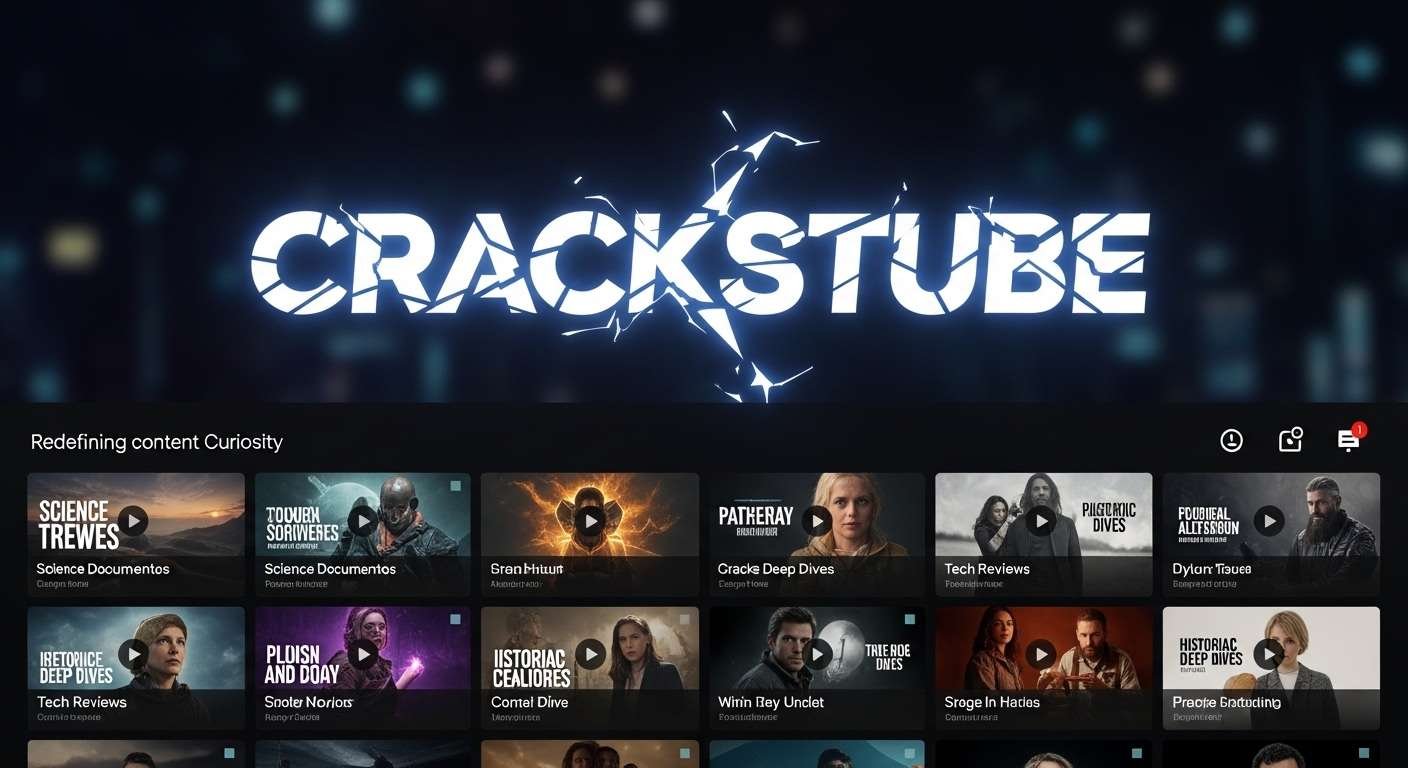
If you’ve typed “Crackstube” into a search bar recently, you’ve probably noticed something strange. The results don’t agree with each other. One page calls it a publishing site. Another warns you about piracy risks. A third talks about streaming content you’d never mention at the dinner table. That’s not a glitch in your search engine — it’s a genuine naming collision, and Crackstube sits right in the middle of it. This article untangles the mess, explains where the confusion comes from, and walks you through what to actually do with that information.
Understanding Crackstube matters more than it might seem at first glance. The word shows up in tech forums, social media threads, and casual conversations, yet very few explanations actually hold together. Some people land on Crackstube looking for free software. Others stumble onto it while hunting for a streaming shortcut. Still others just want to know if it’s safe to click on. All three groups deserve a straight answer, so let’s build one from the ground up.
What Is Crackstube, Exactly?
Here’s the short version: Crackstube isn’t one single thing. It’s a name attached to at least two very different corners of the internet, and they have almost nothing in common except how they sound. That’s unusual, and it’s exactly why search results feel so scattered.
The Two Very Different Things Sharing One Name
On one side, there’s a digital publishing platform operating under the CracksTube.com domain. It shares articles across categories like technology, finance, business, education, real estate, law, and home improvement. Readers browse without creating an account, and contributors submit guest posts through an open editorial process. It functions the way any content hub functions — nothing hidden, nothing that requires a download.
On the other side, there are unofficial websites that borrow the Crackstube name to attract traffic. These sites typically list cracked software, pirated movies, unlicensed television episodes, or unauthorized streaming links. Some even lean into adult content categories. None of this activity connects to the legitimate publishing platform, but because the names overlap so closely, plenty of people assume they’re the same thing. They aren’t, and that distinction genuinely matters for your safety.
Why the Name Causes So Much Confusion
Think about how the word itself is built. “Crack” carries a long history online — it’s shorthand for software that’s had its license protection stripped out. “Tube” is a suffix that’s followed us since the early video-sharing boom, back when everything wanted to sound like a cousin of YouTube. Mash those two words together, and you get something that sounds like free media, free software, or both, depending on which context you land in first.
Search engines don’t always separate intent well either. When you search “Crackstube,” the algorithm has to guess whether you want the publishing platform, a piracy mirror, or an adult streaming index, and it often serves a chaotic blend of all three. That’s not a flaw unique to this keyword — plenty of ambiguous brand names run into the same trouble — but it does mean you need to read carefully before clicking anything that claims to be Crackstube.
Why Has Crackstube Become Such a Popular Search Term?
There’s a reason this keyword keeps climbing rather than fading away, and it isn’t random curiosity alone. A few real-world pressures are pushing people toward it.
Rising Subscription Costs Push People to Search
Streaming services, premium software, and specialized apps have quietly stacked their monthly fees over the past several years. What used to be one or two subscriptions has ballooned into five, six, sometimes more. When people feel priced out, they start searching for free alternatives, and names like Crackstube surface in that search almost immediately. It’s a predictable pattern, not a mysterious one — rising costs create rising curiosity about workarounds.
Curiosity and Word-of-Mouth Keep It Alive
Beyond the cost angle, plain curiosity plays a huge role. Someone sees the term mentioned in a forum thread or a group chat, and naturally, they want context. Is it legitimate? Is it risky? Is it even real? That curiosity alone generates a steady stream of searches, independent of whether anyone actually intends to use the site for anything. Honestly, a name this unusual was always going to attract attention just by existing.
Regional Restrictions Add Fuel to the Fire
Streaming libraries and software licenses often vary by country, and that inconsistency frustrates a lot of people. A show available in one region might be locked out in another for months. Rather than wait, some users go looking for workarounds, and unofficial sites bearing the Crackstube name get swept into that search. It’s understandable, but it’s also exactly the situation where people tend to lower their guard around security.
The Risks Tied to Unofficial Crackstube-Style Websites
This is the part that deserves the most attention, because the risks aren’t hypothetical. They’re documented, repeated patterns across the piracy and cracked-software ecosystem, and Crackstube-branded mirrors are no exception.
Security Threats You Might Not See Coming
Unofficial sites that host cracked software or pirated streams typically rely on third-party file hosts, ad networks, and pop-up redirects to stay profitable. That combination is a breeding ground for malware. A single click on a “download” button can quietly install adware, keyloggers, or ransomware disguised as a media player update. Even sites that look polished on the surface often bury malicious scripts a few clicks deep, and casual users rarely notice until something’s already gone wrong.
There’s a useful analogy here: visiting an unofficial cracked-software site is a bit like accepting a free ride from a stranger who insists you close your eyes for the trip. You might arrive somewhere fine. You might not. Either way, you’ve given up visibility into what’s actually happening along the route, and that’s precisely the trade-off these sites ask you to make.
Legal Gray Areas and Real Consequences
Beyond the technical risk, there’s a legal dimension that people underestimate. Distributing or accessing pirated software and unlicensed media violates copyright law in most countries, including the United States. Enforcement varies, and plenty of users never face consequences directly, but internet service providers do monitor traffic patterns, and copyright holders do issue takedown notices and, occasionally, legal action. It’s not a guaranteed outcome, but it’s a real one, and it’s worth weighing against whatever money you’d save by skipping a legitimate subscription.
Privacy Exposure You Didn’t Sign Up For
Many unofficial streaming and cracked-software sites track visitors aggressively, sometimes more aggressively than the legitimate services they’re imitating. Browser fingerprinting, invasive ad trackers, and data resold to third parties are common on these platforms because there’s no accountability structure holding them to a privacy standard. You’re not just risking a virus — you’re often handing over browsing behavior to networks with zero transparency about where that data ends up.
How the Legitimate CracksTube Publishing Platform Works
Now let’s shift to the side of Crackstube that actually operates in the open. CracksTube.com functions as a multi-industry content hub, and understanding its structure helps clear away a lot of the leftover suspicion around the name.
Content Categories and Reader Experience
The platform organizes articles into recognizable categories: technology, finance, business, education, law, real estate, and home improvement. Readers can browse freely without logging in, which mirrors how most modern publishing sites operate. There’s no software to install, no executable files, and no prompts asking for unusual permissions. In other words, the reading experience looks and feels like any established digital magazine, just operating under a name that happens to share syllables with a much murkier corner of the internet.
Guest Posting and Contributor Opportunities
CracksTube also accepts contributor submissions, which gives writers, marketers, and subject-matter experts a channel to publish under editorial guidelines. This kind of open contributor model isn’t unusual in digital publishing — plenty of established sites run guest-post programs to expand their topic coverage while giving writers exposure. For anyone evaluating whether to contribute, the standard due diligence applies: check the submission guidelines, confirm there’s a real editorial review process, and verify contact information before submitting original work anywhere online.
Safer Alternatives to Unofficial Crackstube Sites
If cost or access frustration is what led you toward Crackstube-style sites in the first place, there are better paths that don’t involve rolling the dice on malware or legal exposure.
Legal Software Options Worth Exploring
Plenty of legitimate software today offers free tiers, open-source alternatives, or steep educational discounts. Programs like GIMP, LibreOffice, and Blender cover creative and productivity needs without a price tag attached. For paid software, many developers run seasonal discounts, student pricing, or bundle deals that dramatically cut costs compared to a full retail license. A quick search for “official discount” alongside the software name often turns up something worthwhile.
Legal Streaming Options That Don’t Carry Risk
On the entertainment side, ad-supported streaming platforms have expanded significantly, giving viewers access to large libraries without a subscription fee. Services like Tubi, Pluto TV, and Freevee offer legitimate, ad-supported catalogs that cover movies and television shows across most genres. They’re not identical to premium subscriptions, but they close much of the gap without exposing your device to unofficial downloads or shady redirect chains.
How to Tell Which Crackstube You’re Actually Looking At
Before clicking any link tied to this name, take a moment to check a few practical signals. Look at the domain extension and spelling closely — official platforms rarely rely on hyphens, extra numbers, or unusual top-level domains. Check whether the site asks you to download anything before you’ve even started reading or watching, since legitimate publishing platforms almost never require that. Also glance at whether the page has a visible privacy policy, contact page, or editorial disclosure, because those small details separate an accountable platform from a throwaway mirror site built purely to capture search traffic.
Conclusion: What to Take Away From the Crackstube Confusion
Crackstube isn’t a single website with a single purpose — it’s a name split across a legitimate publishing platform and a cluster of unofficial, higher-risk mirrors that borrow its recognition. That split explains why search results feel contradictory and why so many people arrive confused about what they’re actually looking at. The safest approach is simple: verify the domain, avoid downloads from unfamiliar sources, and lean on legal alternatives when subscription costs or regional restrictions get frustrating. A few extra seconds of verification can save you from malware, data exposure, or a legal headache down the road. Crackstube will likely keep generating search traffic as long as the naming overlap exists, so treating every version of it with a bit of healthy skepticism is the smartest long-term habit you can build.
Frequently Asked Questions
1. Is Crackstube safe to visit?
It depends entirely on which version you land on. The official CracksTube.com publishing platform is a standard content site with no downloads or unusual prompts. Unofficial Crackstube-named sites tied to cracked software or pirated media carry real security and legal risks.
2. Is Crackstube the same as CracksTube.com?
Not necessarily. CracksTube.com refers specifically to a digital publishing platform. “Crackstube” as a broader search term also picks up unrelated, unofficial sites that have nothing to do with that platform.
3. Can I get in legal trouble for using unofficial Crackstube sites?
Accessing pirated software or unlicensed media does violate copyright law in most countries, and while enforcement varies, the legal risk is genuine rather than theoretical.
4. What should I do if I already downloaded something from an unofficial Crackstube site?
Run a full antivirus and anti-malware scan immediately, change any passwords you entered afterward, and monitor your accounts for unusual activity over the following weeks.
5. What are good alternatives to unofficial Crackstube sites?
Free and open-source software like LibreOffice or GIMP, plus ad-supported streaming platforms like Tubi or Pluto TV, cover most of the same needs without the security or legal risk.

Post Comment