Caleb James Goddard: The Journalist Who Became a U.S. Diplomat
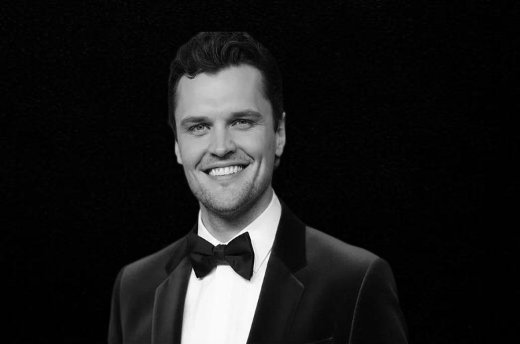
Some careers follow a straight line. Caleb James Goddard’s didn’t, and that’s exactly what makes it worth studying. He started out in front of cameras and behind newsroom desks, then pivoted into one of the most demanding jobs in government: representing the United States abroad. Along the way, he touched hostage negotiations, election monitoring, and public health crises. That’s a lot of ground to cover for one professional, and it’s worth walking through step by step.
This article sticks to the public, verifiable, career-related record. Caleb James Goddard has kept his personal life quiet by choice, so instead of speculating about things he hasn’t shared, we’ll focus on what he’s actually built: a journalism career that spanned three continents, followed by a diplomatic career that’s still unfolding.
Quik Bio
| Field | Details |
|---|---|
| Full Name | Caleb James Goddard |
| Born | September 26, 1970, Los Angeles, California |
| Education | Georgetown University (graduated 1992); M.Sc. in International Political Economy, London School of Economics |
| Early Screen Credits | Actor, “The Slap Maxwell Story” (1988); Location Management, “Guilty as Charged” (1991) |
| Journalism Career | CNN (helped launch Hong Kong Financial News Bureau); Yahoo! (hosted first live internet news broadcast); Bloomberg TV Asia (Head of Programming) |
| Government Career | U.S. Foreign Service Officer, U.S. Department of State (since 2012) |
| Diplomatic Postings | Guinea, Thailand, Pakistan, Brussels, Mauritius |
| Areas of Diplomatic Work | Hostage negotiations, elections, Ebola response, consular services, prisoner rights |
| Public Profile | Maintains a low public profile; no social media or interviews |
Early Education and the Foundation for a Global Career
Caleb James Goddard graduated from Georgetown University in 1992. Georgetown isn’t just any school; its School of Foreign Service has produced generations of diplomats, journalists, and policy professionals. Choosing that program was, in hindsight, a pretty clear signal of where his interests were headed, even if the path took a detour through broadcast television first.
He later added a master’s degree from the London School of Economics, focusing on International Political Economy. That’s a demanding field. It blends economics, political theory, and global systems analysis, and it’s the kind of degree that shows up again and again in the resumes of people who end up working on trade policy, foreign aid, or international negotiations. For Caleb James Goddard, it became the academic bridge between two very different careers.
Why the Georgetown-LSE Combination Matters
Think of it like building a house with two different foundations poured at two different times. Georgetown gave him grounding in international affairs early on. LSE, coming later, added technical depth in economics and policy analysis. Together, they gave him credentials that read equally well in a newsroom or an embassy, which turned out to be useful, because he worked in both.
A Career in Broadcast Journalism
Before he ever set foot in an embassy, Caleb James Goddard spent years in international broadcast journalism, and he did it during a genuinely interesting stretch of media history. He worked across CNN, Bloomberg TV, and Yahoo!, three companies that, in their own ways, were reshaping how news got made and delivered.
At CNN, he helped launch the network’s Hong Kong Financial News Bureau. Setting up a bureau from scratch in a major financial hub isn’t a small task. It means building relationships with sources, training staff, figuring out logistics, and doing all of it while still delivering daily coverage. Hong Kong in the years surrounding that launch was a critical node for Asian markets, so the bureau’s work mattered well beyond the region.
His time at Yahoo! put him at the center of a genuine media first. He hosted what’s described as the first live news broadcast on the internet. It’s easy to take streaming video for granted now, but in the earlier days of online media, live internet broadcasting was untested territory. Being the person behind that milestone put Caleb James Goddard in a small group of journalists who helped define what online news could even look like.
He also served as head of programming for Bloomberg TV Asia, a role that shifted him from reporting into leadership. Programming decisions shape what audiences see, when they see it, and how a network builds credibility over time. That’s a different skill set than reporting, one that requires strategic thinking about audience, competition, and editorial direction.
From Reporter to Bureau Builder
There’s a pattern worth noticing here. Caleb James Goddard didn’t just report the news; he built the infrastructure that let news get reported. Launching a bureau and running programming for a regional network both require organizational skill, not just journalistic instinct. That combination of on-camera experience and behind-the-scenes management likely served him well later, when his next career demanded both diplomatic communication and operational judgment.
The Shift to Public Service
In 2012, Caleb James Goddard joined the U.S. State Department as a Foreign Service Officer. That’s a significant career change, moving from private media companies into government service, and it’s not a common leap. Journalists understand how information moves and how narratives form, which turns out to be genuinely useful in diplomacy, where perception and communication carry real weight.
Foreign Service Officers rotate through postings, often in very different parts of the world, and they’re expected to adapt quickly to new political and cultural environments. Over his time in the Foreign Service, Caleb James Goddard has served at U.S. embassies in Guinea, Thailand, Pakistan, Brussels, and Mauritius. That’s an unusually varied set of postings, spanning West Africa, Southeast Asia, South Asia, Western Europe, and the Indian Ocean region.
The Range of His Diplomatic Work
The subject matter he’s handled is just as varied as the geography. His portfolio has included hostage negotiations, election-related work, the Ebola response, consular services, and prisoner rights. Each of those areas demands a different kind of expertise.
Hostage negotiations require calm, precise communication under extreme pressure. Election work often means monitoring processes, engaging with local officials, and helping ensure transparency in politically sensitive environments. The Ebola response, which likely connects to his posting in Guinea during the West African outbreak years, involved public health coordination at a moment when the stakes were genuinely life and death. Consular services and prisoner rights work, meanwhile, put him in direct contact with American citizens facing serious personal crises abroad, from lost passports to detention in foreign legal systems.
Handling that range of responsibilities isn’t something every diplomat does. It suggests a career built on adaptability rather than specialization in one narrow lane. Caleb James Goddard’s background in journalism, where every day brings a new story and a new set of facts to master quickly, may well have prepared him for that kind of constant recalibration.
Two Different Careers, One Common Thread
It’s worth stepping back and asking what actually connects a broadcast journalism career to a diplomatic one. On the surface, they look pretty different. But both careers depend on the same core skill: communicating clearly and accurately under conditions where getting it wrong has consequences.
A journalist launching a new bureau has to earn trust from sources and viewers alike. A diplomat working a hostage negotiation has to earn trust from people whose lives are on the line. In both jobs, credibility is the currency that makes everything else possible. Caleb James Goddard spent his first career building that credibility in front of cameras, and his second career spending it in embassies and negotiation rooms.
There’s also a quieter throughline: a preference for substance over visibility. Rather than staying in a high-profile media career, he moved into a field where the actual work often happens outside public view entirely. Diplomacy rarely comes with headlines attached to the officer doing the work, and that fits a career built more around results than recognition.
Brief Early Ties to Film Production
Long before either career took shape, Caleb James Goddard had two minor screen credits: an acting appearance in the 1988 television series “The Slap Maxwell Story,” and a location management credit on the 1991 film “Guilty as Charged.” Both were early, limited entries in the entertainment industry rather than a sustained path. He didn’t pursue further work in film or television, and his career instead moved toward journalism and later into government service. Those two credits are really just a footnote next to the two decades of professional work that followed.
What His Career Path Teaches Anyone Navigating a Big Transition
Careers like this one offer a genuinely useful lesson for anyone standing at a professional crossroads. Skills built in one field rarely go to waste in another, even when the industries look unrelated on paper. Journalism taught adaptability, communication under pressure, and the ability to build something from scratch, like a bureau in a new city. Those same skills transferred directly into diplomatic work, where adaptability and clear communication are just as essential.
The takeaway isn’t “become a diplomat if you’re a journalist.” It’s broader than that. When evaluating a career pivot, look past the surface-level job title and ask what underlying skills actually carry over. Caleb James Goddard’s path suggests that a strong foundation in communication and organizational management can open doors in fields that seem, at first glance, worlds apart.
Conclusion
Caleb James Goddard’s professional record covers more ground than most careers manage in twice the time. He built a broadcast bureau in Hong Kong, hosted a milestone moment in internet news history, ran programming for a regional television network, and then spent over a decade as a U.S. Foreign Service Officer working on hostage negotiations, elections, public health crises, and consular services across four continents. That’s a career defined by range, adaptability, and a consistent willingness to take on hard, unglamorous work.
For anyone following his story, the real value isn’t in the geography or the job titles. It’s in the pattern underneath: build real skills, stay adaptable, and let the work speak for itself. Caleb James Goddard’s path from newsroom to embassy is a solid reminder that a career doesn’t need to move in a straight line to move somewhere meaningful.
Frequently Asked Questions
1. What is Caleb James Goddard known for professionally?
He’s known for two distinct careers: international broadcast journalism with CNN, Bloomberg TV, and Yahoo!, followed by service as a U.S. Foreign Service Officer starting in 2012.
2. Where did Caleb James Goddard study?
He graduated from Georgetown University in 1992 and later earned a master’s degree in International Political Economy from the London School of Economics.
3. Which U.S. embassies has Caleb James Goddard served at?
His diplomatic postings have included U.S. embassies in Guinea, Thailand, Pakistan, Brussels, and Mauritius.
4. What kind of diplomatic work has he done?
His work as a Foreign Service Officer has touched hostage negotiations, election-related issues, the Ebola response, consular services, and prisoner rights.
5. Did Caleb James Goddard work in entertainment before his journalism and diplomatic careers?
He had two minor early screen credits, an acting role in “The Slap Maxwell Story” (1988) and a location management credit on “Guilty as Charged” (1991), before moving into journalism and later government service.


Post Comment